Collaborating with Local Businesses: Building a Local Business Network

Introduction
In the food service industry, collaboration is more than just a buzzword; it’s a vital strategy for success. Building a local business network can enhance community engagement and drive mutual growth, creating a win-win situation for everyone involved. Whether you’re a health-conscious eater, a foodie, a busy professional, or a budget-conscious shopper, understanding the power of local collaborations can elevate your dining experiences.
1. The Benefits of Collaborating with Local Businesses
Strengthening Community Ties
Collaboration fosters a sense of community. When local businesses join forces, they not only support each other but also create a vibrant environment that attracts customers. I remember a local bakery that partnered with a nearby coffee shop for a "Pastry and Brew" event. The community loved it, and both businesses saw a significant uptick in customers that day. It’s these kinds of partnerships that make a neighborhood feel like home.
Expanding Customer Reach
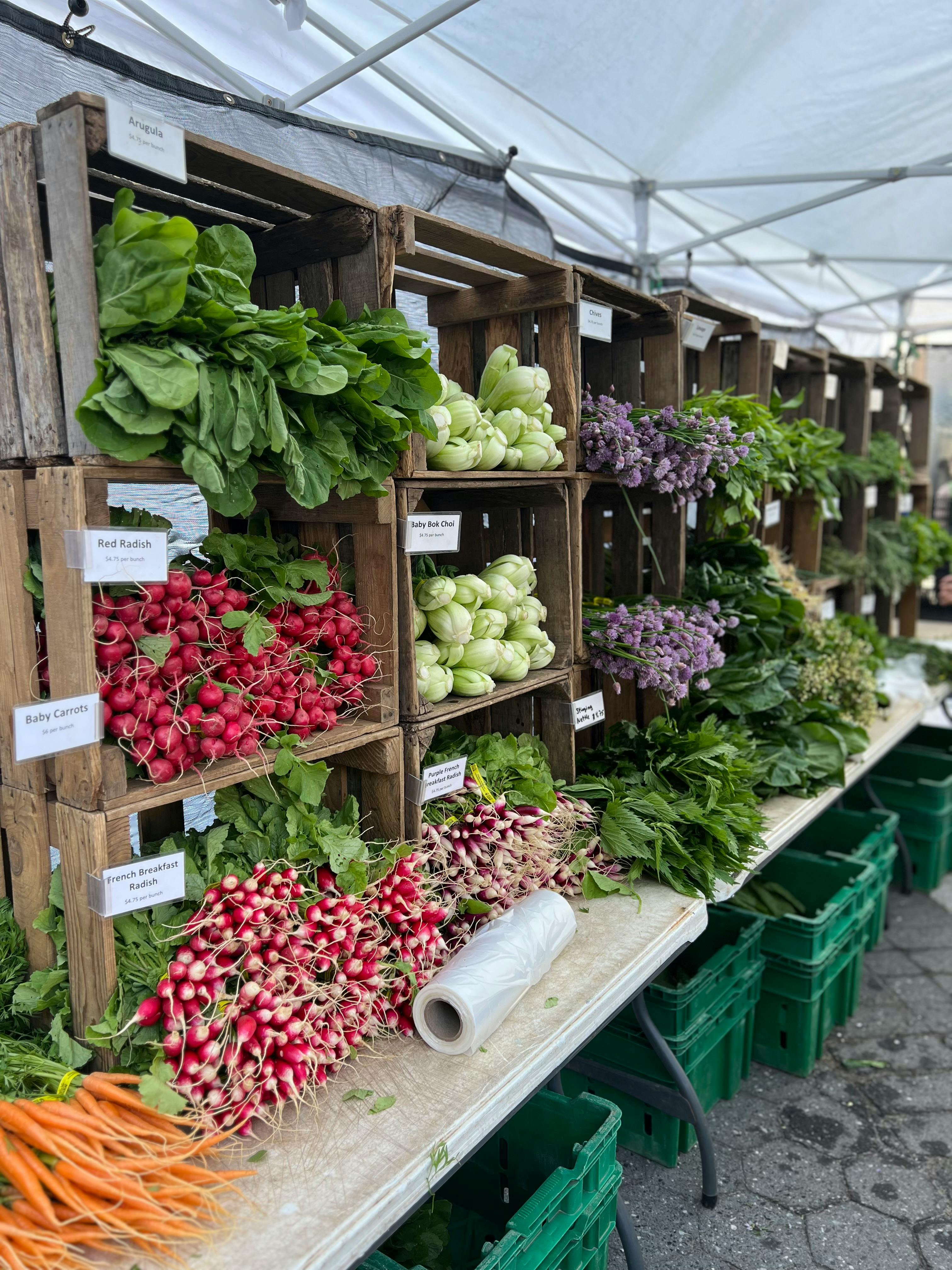
Collaborations can introduce your business to new audiences. When two businesses promote each other, they tap into each other’s customer bases. For instance, a restaurant that teams up with a local farm for a seasonal menu can attract health-conscious consumers interested in fresh, local ingredients. Cross-promotion can work wonders, as I learned when a friend’s food truck partnered with a local brewery. They both attracted new customers and created a fun atmosphere that kept people coming back.
Sharing Resources and Expertise
Pooling resources can benefit all parties involved. From sharing marketing costs to providing logistical support, local businesses can thrive together. For example, I’ve seen restaurants collaborate with local suppliers for exclusive ingredients, which not only enhances their menus but also strengthens their brand reputation.
2. Identifying Potential Local Partners
Analyzing Local Business Landscape
Understanding the local market is crucial. Researching businesses that align with your brand values and target audience is the first step. For instance, if you run a vegan café, seeking partnerships with local vegan brands or health food stores can create synergy.
Prospecting Partnerships
Assessing whether a potential partner shares similar goals and customer demographics is key. Look for businesses that complement rather than compete with yours. I once attended a networking event where a wellness center partnered with a local juice bar. Their shared commitment to health attracted a clientele that appreciated both services. Initiating contact can be as simple as attending local networking events or reaching out through social media. When proposing collaboration, it’s essential to present a clear value proposition. I’ve learned that genuine, friendly outreach can often lead to meaningful partnerships.
3. Types of Collaborations to Consider
Joint Promotions and Events
Co-hosting events like food festivals or cooking workshops can be an excellent way to attract customers. These engaging experiences create lasting memories and encourage attendees to return. A local market I frequented often held "Taste of the Neighborhood" events that showcased various local eateries and attracted large crowds.
Cross-Promotional Marketing
Leveraging each other’s customer bases through social media and email marketing can expand reach. For example, a local deli could promote a nearby bakery's bread on their social media channels while the bakery does the same with the deli’s sandwiches.
Product and Service Collaborations
Consider developing co-branded products or special menu items. When a pizzeria I know collaborated with a local brewery to create a unique pizza and beer pairing menu, both businesses enjoyed increased sales and customer interest.
4. Building and Maintaining Relationships
Establishing Clear Communication
Open communication is vital for successful partnerships. Scheduling regular check-ins can help discuss progress and identify new opportunities for collaboration. This has proven effective for many local businesses, allowing them to adapt to each other's needs.
Setting Shared Goals and Expectations
Defining mutual objectives ensures everyone is on the same page. Creating agreements that outline roles, responsibilities, and expectations is essential for smooth collaboration. My favorite café does this well by clearly communicating their event goals with their partners, which has led to successful collaborations.
Celebrating Success Together
Recognizing achievements can foster goodwill and trust. Acknowledging each other’s contributions enhances the partnership and encourages further collaboration.
5. Measuring the Success of Collaborations
Tracking Key Performance Indicators (KPIs)
Monitoring metrics like customer engagement and sales growth can help assess the impact of collaborations. Setting benchmarks allows businesses to evaluate performance effectively. After a joint event, I’ve seen businesses track how many new customers they gained, which can be very revealing.
Gathering Customer Feedback
Soliciting customer feedback regarding collaborative promotions and events is crucial for refining future initiatives. Surveys or informal conversations can provide insights into what worked and what didn’t.
Adapting and Evolving Collaborations
Explore popular online portfolio platforms like Adobe Portfolio, Squarespace, Wix or High Level. Choose one that meets your needs and allows for easy customization. I used to write my sites by hand (I know how to code), then I discovered Squarespace, which seemed easy enough. Now, I’ve fully transitioned to High Level. I loved the customization options that let me create a sleek, user-friendly portfolio. It helped streamline my workflow and made it easy for clients to navigate.

6. Case Studies and Examples
Successful Local Collaborations
Many food businesses effectively build local networks. For instance, a popular food truck collaborated with a nearby brewery for a series of pop-up events, which not only boosted sales but also built a loyal following for both.
Key Takeaways
Successful collaborations often emphasize innovation and adaptability. Food businesses that remain flexible in their partnership strategies can better respond to market demands and customer interests.
Conclusion
Collaborating with local businesses is vital for enhancing community engagement and driving growth. By building a local business network, food service establishments can create mutually beneficial relationships that enhance brand loyalty and customer satisfaction. I encourage all food businesses to actively seek and cultivate local partnerships as a strategic approach to success.
If you are interested in a FREE MARKETING AUDIT to gauge your presence on the web, and how potential customers can find you - click here.
** If you’re interested in exploring High Level and its features, you can get a 14-day free trial by clicking here.
Photography for Marketing Materials: Using Photography to Tell Your Brand Story
Introduction
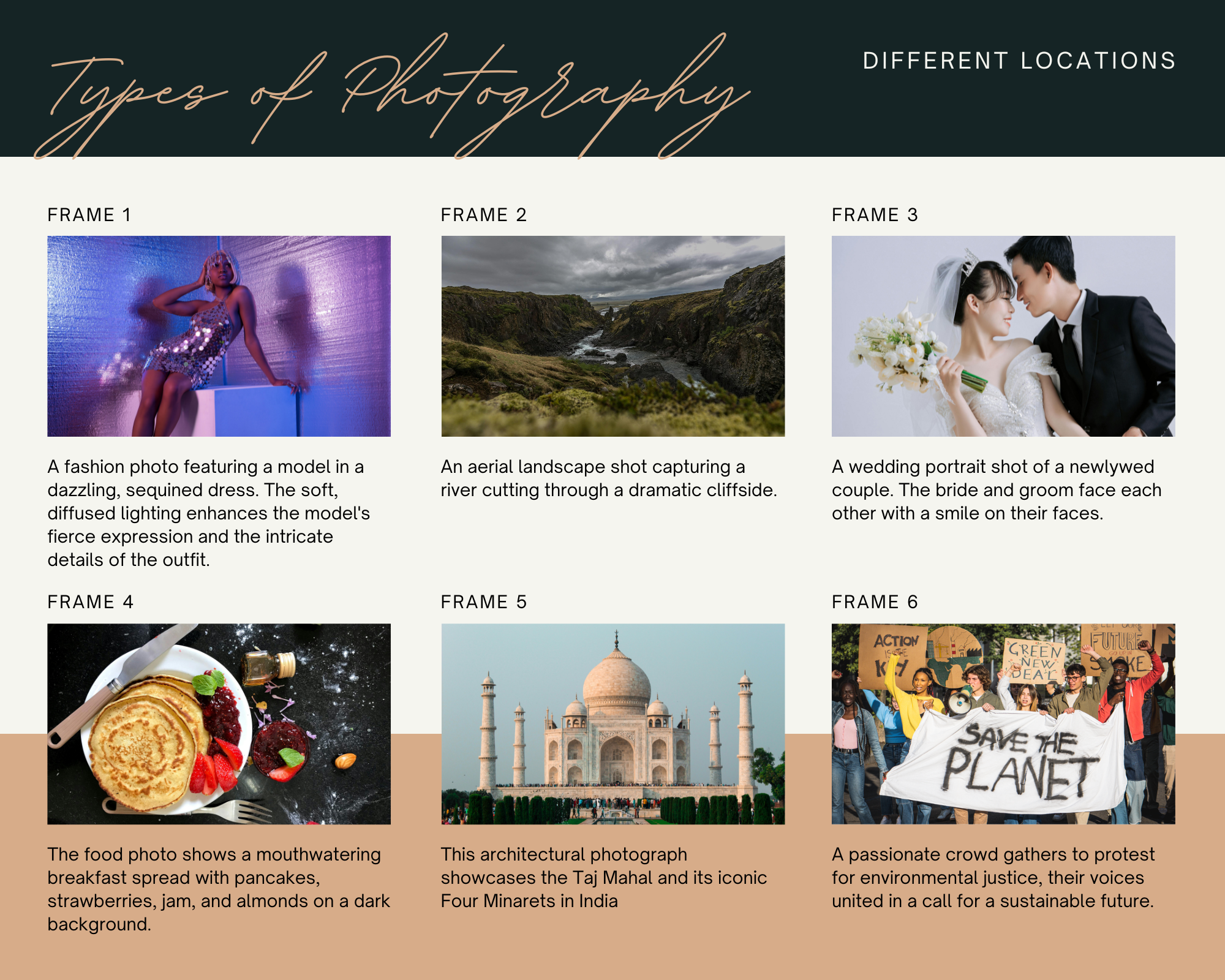
In the world of marketing, visual storytelling plays a crucial role in conveying a brand's identity and values. Photography is a powerful tool that can evoke emotions and create connections with audiences. Whether you’re a professional photographer, a small business owner, or an individual looking to enhance your brand, understanding how to leverage photography for storytelling can significantly elevate your marketing materials.
1. The Power of Visual Storytelling
Understanding Visual Storytelling
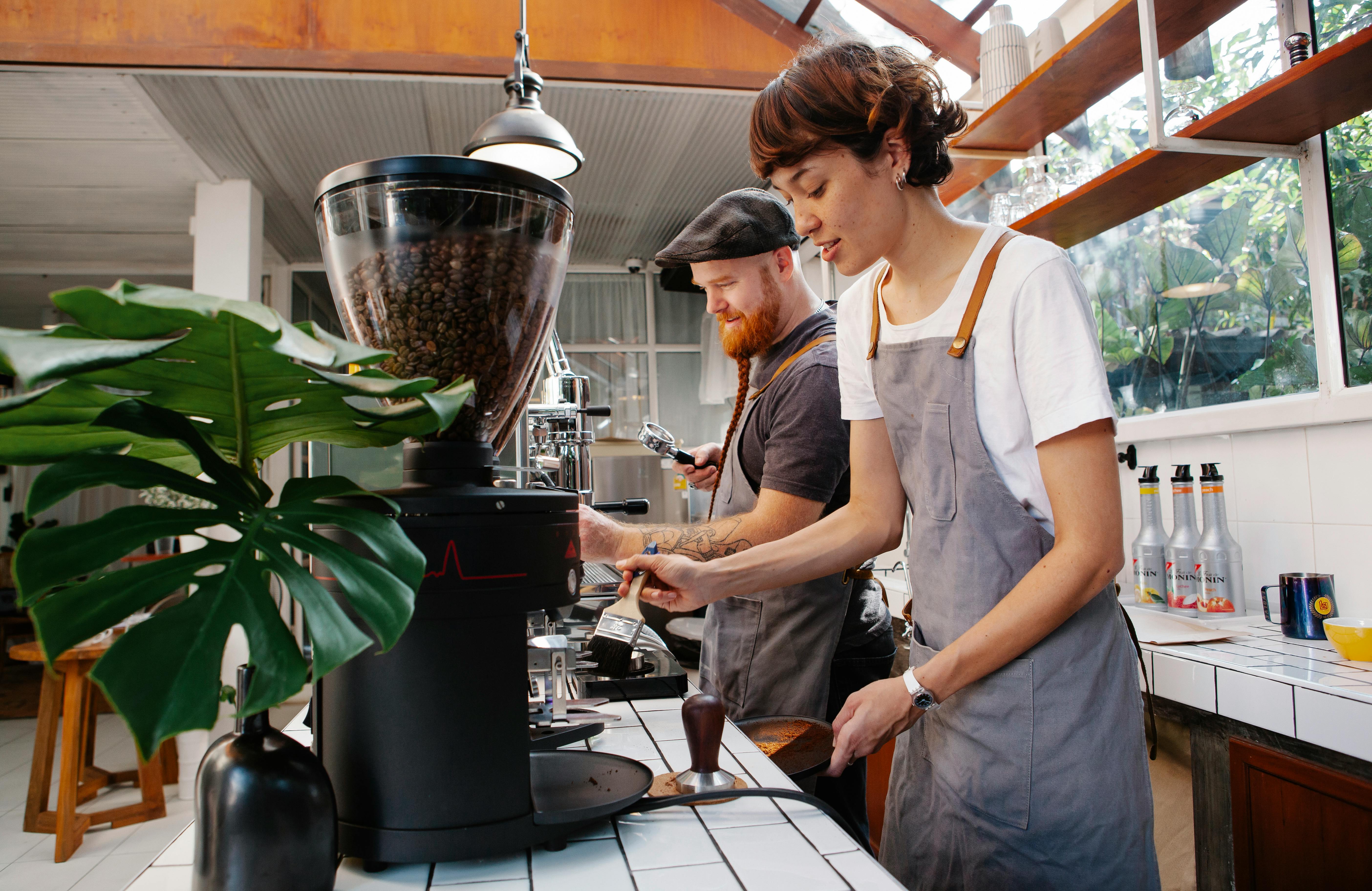
Visual storytelling is the art of using images to communicate a narrative. It’s especially relevant in marketing, where images can evoke emotions and connect with potential customers. A powerful photo can tell a story that words alone may struggle to convey. For instance, I once worked with a local cafe that wanted to share its story. By photographing the staff preparing meals and enjoying coffee together, we created a narrative that showcased their passion and dedication, drawing in more customers.
The Role of Photography in Brand Narrative
Using photography to illustrate your brand's journey, mission, and values is vital. Visual elements enhance the overall marketing message and create a memorable brand identity. A cohesive visual narrative can resonate with your audience, making your brand more relatable and trustworthy.
2. Defining Your Brand Story
Identifying Core Values and Messages
Articulating what your brand stands for and its unique selling propositions (USPs) is essential. Having a clear brand message guides your photography choices, ensuring that each image aligns with your narrative. When I started my photography business, I took the time to define my core values, which helped me curate images that truly reflected my brand’s essence.
Understanding Your Target Audience
Knowing who your audience is and what resonates with them allows you to tailor your visual storytelling. Researching your target market helps you choose images that appeal directly to their preferences. For instance, a fashion brand targeting young adults might focus on vibrant, lifestyle imagery that reflects current trends.
Creating a Consistent Brand Voice
Maintaining consistency in style, tone, and imagery across all marketing materials reinforces your brand identity. Aligning photography with your messaging ensures that every visual contributes to a cohesive narrative. This consistency fosters brand recognition, making it easier for customers to remember and trust you.
3. Types of Photography for Marketing Materials
Product Photography
High-quality product images are essential for showcasing features and benefits. Tips for effective product shots include using proper lighting and angles to highlight what makes the product unique. When I collaborated with a local artisan, we captured her handmade jewelry with dramatic lighting, which made the pieces pop and drew attention.

Lifestyle Photography
Lifestyle photography depicts products or services in real-world settings. Creating relatable scenarios resonates with your audience, helping them envision how your product fits into their lives. Capturing people using the product in natural settings can convey a story that connects with potential buyers.
Behind-the-Scenes Photography
Behind-the-scenes images humanize a brand and build connections. Showcasing the people, processes, and culture behind your brand helps create transparency and trust. I once documented the process of a chef preparing a signature dish, which not only highlighted the food but also the passion behind it.
Event Photography
Capturing brand events creates memorable content for marketing materials. Documenting interactions and experiences reflects your brand's essence and can be a powerful storytelling tool.
4. Planning Your Photography Shoot
Setting Clear Objectives
Define specific goals for your photography session, such as enhancing your social media presence or creating content for your website. Aligning shoot objectives with overall marketing strategies ensures that your visuals support your broader goals.
Storyboarding Your Visuals
Creating a storyboard or shot list helps visualize your brand story. Planning poses, settings, and compositions that reflect your narrative can streamline the shooting process. I find that having a clear outline often leads to more effective sessions.
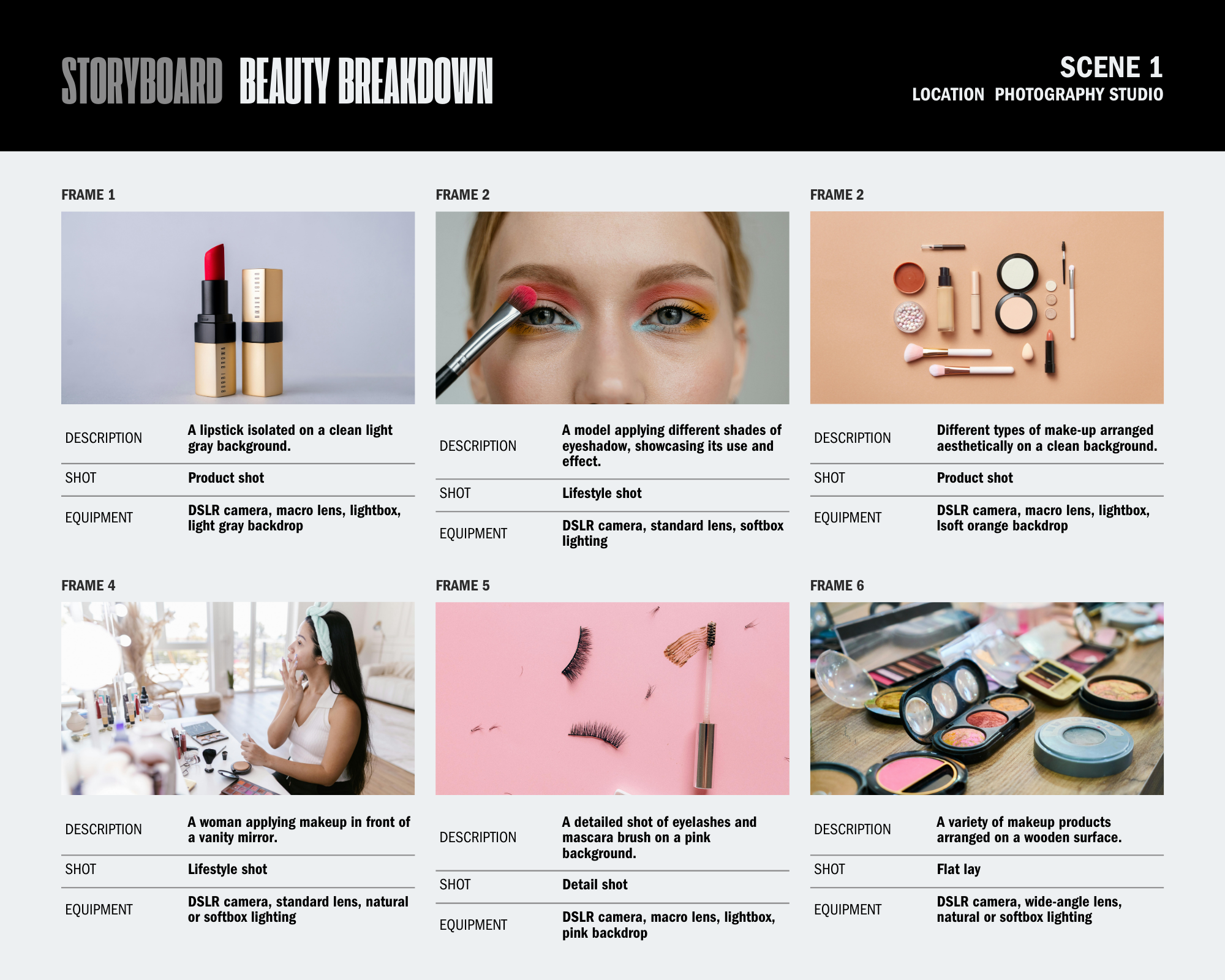
Collaborating with Photographers
Communicate your vision effectively to photographers. Establishing a collaborative environment helps bring your brand story to life. Sharing reference images or mood boards can clarify your expectations.
5. Using Photography Across Marketing Channels
Social Media
Utilize photography to create engaging content on social media. Tailor images to fit the unique styles of different platforms, like Instagram and Facebook, to maximize engagement. A recent campaign I ran involved creating tailored content for each platform, which boosted our engagement significantly.
Website and E-Commerce
Photography enhances website aesthetics and user experience. Compelling product images can drive conversions and create a visually appealing site. Ensure that your website showcases your best photography to attract potential customers.
Print Materials
Photography can significantly enhance brochures, flyers, and business cards. Choosing images that align with print layout and design creates maximum impact. For example, high-quality images on a flyer can grab attention and communicate your message effectively.
6. Measuring the Impact of Photography on Your Brand Story
Tracking Engagement Metrics
Monitor key performance indicators (KPIs) to assess the effectiveness of your photography in marketing materials. Analyzing likes, shares, comments, and conversion rates helps gauge success. I regularly review these metrics to adjust my strategies accordingly.
Gathering Feedback
Solicit feedback from customers about their perceptions of your brand based on visuals. Understanding audience insights can refine and improve future photography efforts. After a campaign, I often ask clients what caught their eye and how they felt about the images.
Adapting to Trends and Audience Preferences
Stay updated with evolving visual trends and audience preferences. Being flexible and willing to adapt your visual storytelling approach keeps your content fresh and engaging.
Conclusion
Using photography to tell a brand story in marketing materials is vital for building connections and loyalty with your audience. Effective visual storytelling enhances brand recognition and fosters trust. I encourage photographers and businesses to leverage photography as a powerful tool for narrative communication, experimenting with different styles and techniques to enhance their creative portfolios.
If you’re a photographer looking for information on how to take your business to the next level visit https://photography.the302co.com/photographybusinesshelp-intro.
Subscribe to get notified of new content. Be the first to find out!

FAQS
What services do you offer?
We offer services to get you looking good on the web. This includes websites, Search Optimization, Branding advice, Rebranding (where necessary), targeted ads, targeted content, and automations to keep your sales up, and your calendar booking itself!
Do you offer personalized lead generation services?
Yes. Our one-of-a-kind approach combines 3 different faucets of Lead Generation, while most companies offer only one. We are adept at SEO, Ads and Content Marketing, and that is what we offer you, nicely packaged. To keep it clean, we only accept two of the same kind of business in any 25-mile radius (or within a city), so it's important to be one of the first to team with us.