
Collaborating with Local Businesses: Building a Local Business Network

Introduction
In the food service industry, collaboration is more than just a buzzword; it’s a vital strategy for success. Building a local business network can enhance community engagement and drive mutual growth, creating a win-win situation for everyone involved. Whether you’re a health-conscious eater, a foodie, a busy professional, or a budget-conscious shopper, understanding the power of local collaborations can elevate your dining experiences.
1. The Benefits of Collaborating with Local Businesses
Strengthening Community Ties
Collaboration fosters a sense of community. When local businesses join forces, they not only support each other but also create a vibrant environment that attracts customers. I remember a local bakery that partnered with a nearby coffee shop for a "Pastry and Brew" event. The community loved it, and both businesses saw a significant uptick in customers that day. It’s these kinds of partnerships that make a neighborhood feel like home.
Expanding Customer Reach
Collaborations can introduce your business to new audiences. When two businesses promote each other, they tap into each other’s customer bases. For instance, a restaurant that teams up with a local farm for a seasonal menu can attract health-conscious consumers interested in fresh, local ingredients. Cross-promotion can work wonders, as I learned when a friend’s food truck partnered with a local brewery. They both attracted new customers and created a fun atmosphere that kept people coming back.
Sharing Resources and Expertise
Pooling resources can benefit all parties involved. From sharing marketing costs to providing logistical support, local businesses can thrive together. For example, I’ve seen restaurants collaborate with local suppliers for exclusive ingredients, which not only enhances their menus but also strengthens their brand reputation.
2. Identifying Potential Local Partners
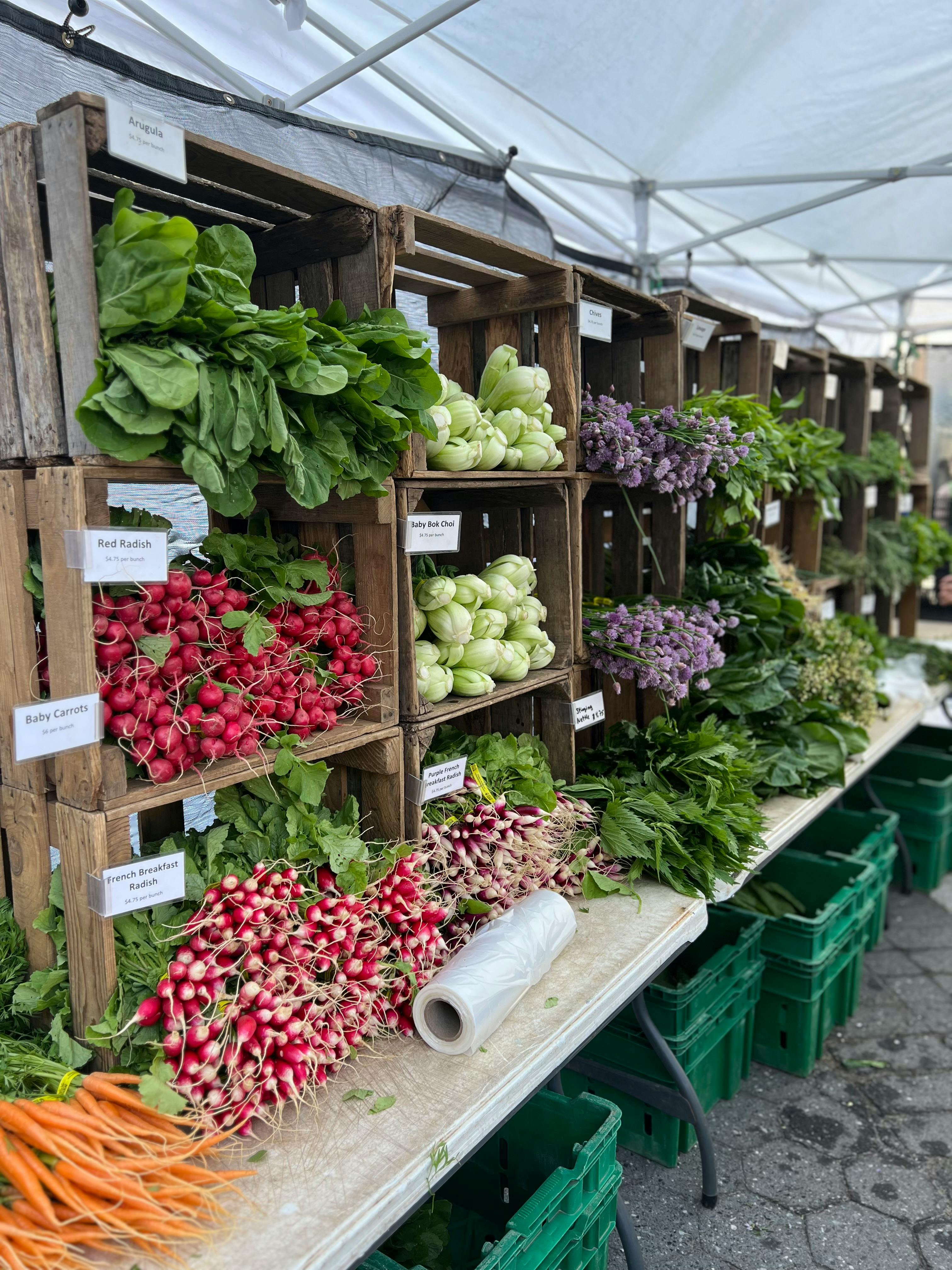
Analyzing Local Business Landscape
Understanding the local market is crucial. Researching businesses that align with your brand values and target audience is the first step. For instance, if you run a vegan café, seeking partnerships with local vegan brands or health food stores can create synergy.
Prospecting Partnerships
Assessing whether a potential partner shares similar goals and customer demographics is key. Look for businesses that complement rather than compete with yours. I once attended a networking event where a wellness center partnered with a local juice bar. Their shared commitment to health attracted a clientele that appreciated both services. Initiating contact can be as simple as attending local networking events or reaching out through social media. When proposing collaboration, it’s essential to present a clear value proposition. I’ve learned that genuine, friendly outreach can often lead to meaningful partnerships.
3. Types of Collaborations to Consider
Joint Promotions and Events
Co-hosting events like food festivals or cooking workshops can be an excellent way to attract customers. These engaging experiences create lasting memories and encourage attendees to return. A local market I frequented often held "Taste of the Neighborhood" events that showcased various local eateries and attracted large crowds.
Cross-Promotional Marketing
Leveraging each other’s customer bases through social media and email marketing can expand reach. For example, a local deli could promote a nearby bakery's bread on their social media channels while the bakery does the same with the deli’s sandwiches.
Product and Service Collaborations
Consider developing co-branded products or special menu items. When a pizzeria I know collaborated with a local brewery to create a unique pizza and beer pairing menu, both businesses enjoyed increased sales and customer interest.
4. Building and Maintaining Relationships
Establishing Clear Communication
Open communication is vital for successful partnerships. Scheduling regular check-ins can help discuss progress and identify new opportunities for collaboration. This has proven effective for many local businesses, allowing them to adapt to each other's needs.
Setting Shared Goals and Expectations
Defining mutual objectives ensures everyone is on the same page. Creating agreements that outline roles, responsibilities, and expectations is essential for smooth collaboration. My favorite café does this well by clearly communicating their event goals with their partners, which has led to successful collaborations.
Celebrating Success Together
Recognizing achievements can foster goodwill and trust. Acknowledging each other’s contributions enhances the partnership and encourages further collaboration.
5. Measuring the Success of Collaborations
Tracking Key Performance Indicators (KPIs)
Monitoring metrics like customer engagement and sales growth can help assess the impact of collaborations. Setting benchmarks allows businesses to evaluate performance effectively. After a joint event, I’ve seen businesses track how many new customers they gained, which can be very revealing.
Gathering Customer Feedback
Soliciting customer feedback regarding collaborative promotions and events is crucial for refining future initiatives. Surveys or informal conversations can provide insights into what worked and what didn’t.
Adapting and Evolving Collaborations
Explore popular online portfolio platforms like Adobe Portfolio, Squarespace, Wix or High Level. Choose one that meets your needs and allows for easy customization. I used to write my sites by hand (I know how to code), then I discovered Squarespace, which seemed easy enough. Now, I’ve fully transitioned to High Level. I loved the customization options that let me create a sleek, user-friendly portfolio. It helped streamline my workflow and made it easy for clients to navigate.

6. Case Studies and Examples
Successful Local Collaborations
Many food businesses effectively build local networks. For instance, a popular food truck collaborated with a nearby brewery for a series of pop-up events, which not only boosted sales but also built a loyal following for both.
Key Takeaways
Successful collaborations often emphasize innovation and adaptability. Food businesses that remain flexible in their partnership strategies can better respond to market demands and customer interests.
Conclusion
Collaborating with local businesses is vital for enhancing community engagement and driving growth. By building a local business network, food service establishments can create mutually beneficial relationships that enhance brand loyalty and customer satisfaction. I encourage all food businesses to actively seek and cultivate local partnerships as a strategic approach to success.
If you are interested in a FREE MARKETING AUDIT to gauge your presence on the web, and how potential customers can find you - click here.
** If you’re interested in exploring High Level and its features, you can get a 14-day free trial by clicking here.

Working with Models: Tips for Photographing Models
Introduction
Photographing models is not just about clicking a shutter; it’s about creating a collaborative experience that brings out the best in both the photographer and the model. Effective communication and preparation are essential in achieving stunning results. Whether you're a professional photographer or a hobbyist, understanding how to work with models can elevate your photography and make the shoot enjoyable for everyone involved.
1. Preparing for the Shoot
Defining the Concept and Goals
Before the shoot, it's crucial to establish a clear vision. Determine the theme, style, and mood you want to convey. Share your ideas with the model in advance to ensure you’re both on the same page. For my last project, I created a mood board with inspiration images and color palettes. It helped the model visualize the shoot and contributed to a cohesive final product.
Researching and Selecting Models
Choosing the right model is essential. Consider the concept and target audience when selecting a model. Review portfolios to ensure the model fits your vision. I once overlooked this step and ended up with a model whose style didn’t match my concept, leading to a less-than-ideal outcome.

Planning the Logistics
Logistical considerations—like location, time, and weather—play a significant role in the success of a shoot. Create a detailed schedule and have backup plans in place. For instance, I always check the weather forecast, and if rain is expected, I have a couple of indoor locations ready to go.
2. Communicating with Models
Establishing a Comfortable Environment
Creating a welcoming atmosphere helps models feel at ease. Introduce yourself and discuss the shoot beforehand. A friendly chat can do wonders in alleviating pre-shoot nerves. I find that sharing a few personal stories or light-hearted jokes can help break the ice.
Providing Direction
During the shoot, giving clear and constructive feedback is vital. Use positive reinforcement to encourage confidence and creativity. Instead of saying, “That doesn’t look good,” try, “Let’s adjust your angle slightly to capture your best side.” This approach helps the model feel supported and enhances collaboration.
Building Rapport
Connecting on a personal level fosters trust. Light-hearted conversation and humor can ease any tension, making the experience enjoyable. I’ve found that discussing hobbies or interests can create a comfortable dynamic, resulting in more authentic expressions.
3. Posing and Movement
Understanding Poses
Different poses can dramatically impact the final image. Guide models into flattering positions that highlight their best features. I often demonstrate poses first, which helps models understand what I’m envisioning.
Encouraging Natural Movement
Encourage models to incorporate natural gestures and expressions. Allowing them to interact with their surroundings can add authenticity to the images. During a recent outdoor shoot, I had the model walk around and engage with the environment, which resulted in candid, lively shots.
Using Props and Wardrobe
Props and wardrobe choices can enhance the shoot. Discuss outfit selections and incorporate elements that fit your concept. I like to collaborate with models on wardrobe choices; it empowers them and ensures they feel comfortable in what they’re wearing.
4. Technical Considerations

Camera Settings and Equipment
Choosing appropriate camera settings for the shoot is vital. Pay attention to aperture, shutter speed, and ISO based on the shooting environment. For outdoor shoots, I often use a wider aperture for a blurred background, helping the subject stand out.
Lighting Techniques
Experiment with different lighting setups, whether using natural light, studio lighting, or reflectors. Adjusting lighting can create the desired mood. I prefer golden hour for outdoor shoots, as the soft light enhances skin tones beautifully.
Composition Tips
Compose shots that create visually appealing images. Experiment with angles, framing, and negative space to find the most captivating shots. During a recent session, I discovered that shooting from a lower angle added depth and drama to the portraits.
5. Post-Shoot Practices
Reviewing Images
Reviewing shots with the model post-shoot can provide valuable feedback. Discuss which images work best and why. I find that this collaborative review process helps models understand my creative vision and fosters a sense of partnership.
Editing and Retouching
Communicate retouching expectations clearly. Maintain authenticity while enhancing the final images. For instance, I focus on smoothing skin tones but ensure the model's unique features remain intact.
Delivering Final Images
Efficiently delivering edited images to the model and other stakeholders is crucial. Maintain professionalism and promptness to build trust and reliability. I typically use online galleries for easy access and sharing.
6. Building Long-Term Relationships
Following Up
After the shoot, follow up with a thank-you email and share the final images. This not only shows appreciation but also opens the door for feedback on the collaboration experience.
Networking with Models
Maintain a network of models for future projects. Be open to working with new talent to expand your creative circle. I often connect with models I enjoy working with on social media, keeping the door open for future collaborations.
Collaborating on Future Projects
Involve models in brainstorming ideas for future shoots. This inclusion makes them feel valued and engaged, which can lead to a more fruitful working relationship.
Conclusion
Effective communication and collaboration are essential in photographing models. Building a positive working relationship enhances the creative process and leads to exceptional results. I encourage photographers to continually refine their skills in working with models, as this can elevate your photography and make each shoot a rewarding experience.
If you’re a photographer looking for information on how to take your business to the next level visit https://photography.the302co.com/photographybusinesshelp-intro.
Subscribe to get notified of new content. Be the first to find out!

FAQS
What services do you offer?
We offer services to get you looking good on the web. This includes websites, Search Optimization, Branding advice, Rebranding (where necessary), targeted ads, targeted content, and automations to keep your sales up, and your calendar booking itself!
Do you offer personalized lead generation services?
Yes. Our one-of-a-kind approach combines 3 different faucets of Lead Generation, while most companies offer only one. We are adept at SEO, Ads and Content Marketing, and that is what we offer you, nicely packaged. To keep it clean, we only accept two of the same kind of business in any 25-mile radius (or within a city), so it's important to be one of the first to team with us.