Collaborating with Local Businesses: Building a Local Business Network

Introduction
In the food service industry, collaboration is more than just a buzzword; it’s a vital strategy for success. Building a local business network can enhance community engagement and drive mutual growth, creating a win-win situation for everyone involved. Whether you’re a health-conscious eater, a foodie, a busy professional, or a budget-conscious shopper, understanding the power of local collaborations can elevate your dining experiences.
1. The Benefits of Collaborating with Local Businesses
Strengthening Community Ties
Collaboration fosters a sense of community. When local businesses join forces, they not only support each other but also create a vibrant environment that attracts customers. I remember a local bakery that partnered with a nearby coffee shop for a "Pastry and Brew" event. The community loved it, and both businesses saw a significant uptick in customers that day. It’s these kinds of partnerships that make a neighborhood feel like home.
Expanding Customer Reach
Collaborations can introduce your business to new audiences. When two businesses promote each other, they tap into each other’s customer bases. For instance, a restaurant that teams up with a local farm for a seasonal menu can attract health-conscious consumers interested in fresh, local ingredients. Cross-promotion can work wonders, as I learned when a friend’s food truck partnered with a local brewery. They both attracted new customers and created a fun atmosphere that kept people coming back.
Sharing Resources and Expertise
Pooling resources can benefit all parties involved. From sharing marketing costs to providing logistical support, local businesses can thrive together. For example, I’ve seen restaurants collaborate with local suppliers for exclusive ingredients, which not only enhances their menus but also strengthens their brand reputation.
2. Identifying Potential Local Partners
Analyzing Local Business Landscape
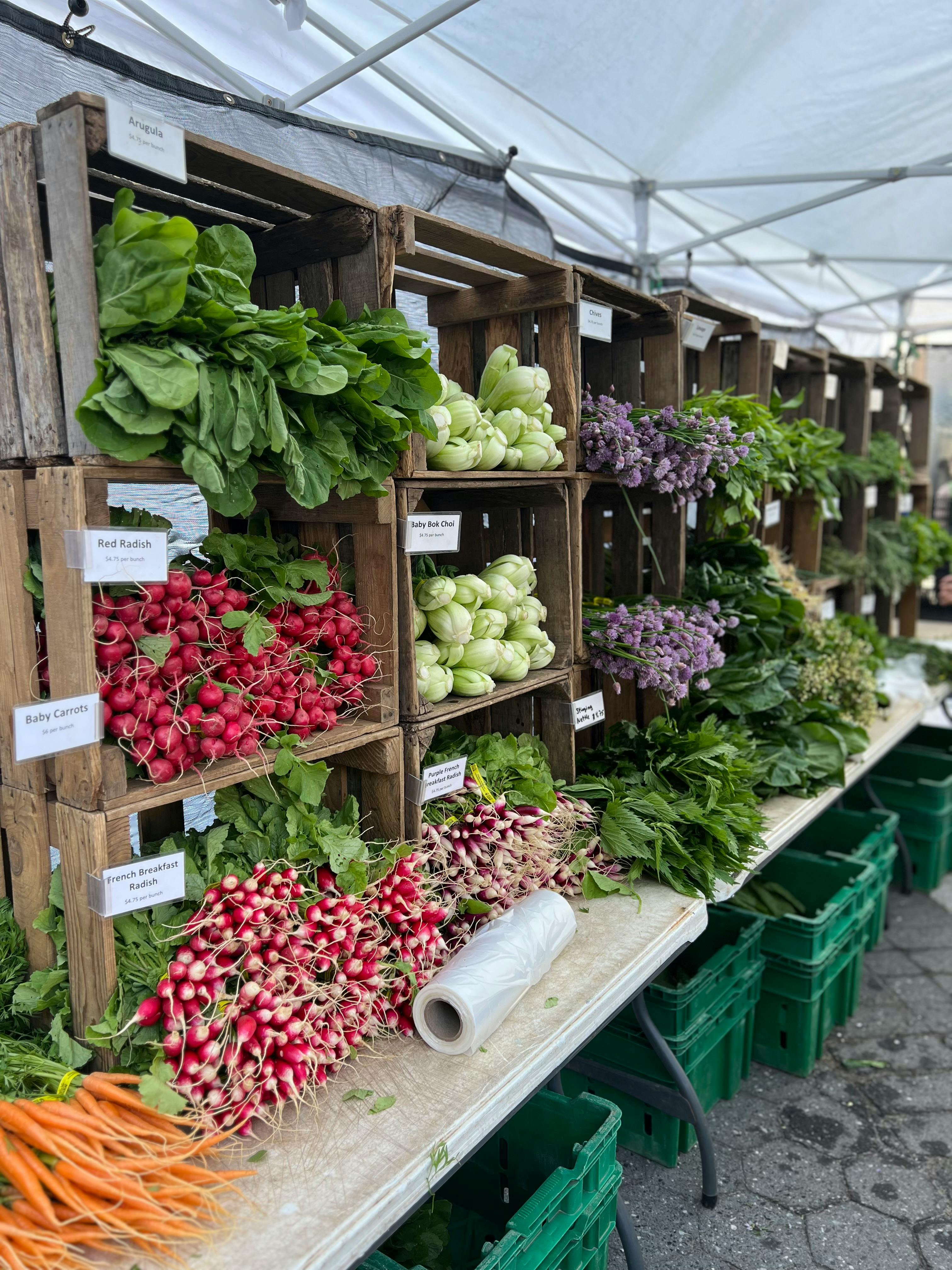
Understanding the local market is crucial. Researching businesses that align with your brand values and target audience is the first step. For instance, if you run a vegan café, seeking partnerships with local vegan brands or health food stores can create synergy.
Prospecting Partnerships
Assessing whether a potential partner shares similar goals and customer demographics is key. Look for businesses that complement rather than compete with yours. I once attended a networking event where a wellness center partnered with a local juice bar. Their shared commitment to health attracted a clientele that appreciated both services. Initiating contact can be as simple as attending local networking events or reaching out through social media. When proposing collaboration, it’s essential to present a clear value proposition. I’ve learned that genuine, friendly outreach can often lead to meaningful partnerships.
3. Types of Collaborations to Consider
Joint Promotions and Events
Co-hosting events like food festivals or cooking workshops can be an excellent way to attract customers. These engaging experiences create lasting memories and encourage attendees to return. A local market I frequented often held "Taste of the Neighborhood" events that showcased various local eateries and attracted large crowds.
Cross-Promotional Marketing
Leveraging each other’s customer bases through social media and email marketing can expand reach. For example, a local deli could promote a nearby bakery's bread on their social media channels while the bakery does the same with the deli’s sandwiches.
Product and Service Collaborations
Consider developing co-branded products or special menu items. When a pizzeria I know collaborated with a local brewery to create a unique pizza and beer pairing menu, both businesses enjoyed increased sales and customer interest.
4. Building and Maintaining Relationships
Establishing Clear Communication
Open communication is vital for successful partnerships. Scheduling regular check-ins can help discuss progress and identify new opportunities for collaboration. This has proven effective for many local businesses, allowing them to adapt to each other's needs.
Setting Shared Goals and Expectations
Defining mutual objectives ensures everyone is on the same page. Creating agreements that outline roles, responsibilities, and expectations is essential for smooth collaboration. My favorite café does this well by clearly communicating their event goals with their partners, which has led to successful collaborations.
Celebrating Success Together
Recognizing achievements can foster goodwill and trust. Acknowledging each other’s contributions enhances the partnership and encourages further collaboration.
5. Measuring the Success of Collaborations
Tracking Key Performance Indicators (KPIs)
Monitoring metrics like customer engagement and sales growth can help assess the impact of collaborations. Setting benchmarks allows businesses to evaluate performance effectively. After a joint event, I’ve seen businesses track how many new customers they gained, which can be very revealing.
Gathering Customer Feedback
Soliciting customer feedback regarding collaborative promotions and events is crucial for refining future initiatives. Surveys or informal conversations can provide insights into what worked and what didn’t.
Adapting and Evolving Collaborations
Explore popular online portfolio platforms like Adobe Portfolio, Squarespace, Wix or High Level. Choose one that meets your needs and allows for easy customization. I used to write my sites by hand (I know how to code), then I discovered Squarespace, which seemed easy enough. Now, I’ve fully transitioned to High Level. I loved the customization options that let me create a sleek, user-friendly portfolio. It helped streamline my workflow and made it easy for clients to navigate.

6. Case Studies and Examples
Successful Local Collaborations
Many food businesses effectively build local networks. For instance, a popular food truck collaborated with a nearby brewery for a series of pop-up events, which not only boosted sales but also built a loyal following for both.
Key Takeaways
Successful collaborations often emphasize innovation and adaptability. Food businesses that remain flexible in their partnership strategies can better respond to market demands and customer interests.
Conclusion
Collaborating with local businesses is vital for enhancing community engagement and driving growth. By building a local business network, food service establishments can create mutually beneficial relationships that enhance brand loyalty and customer satisfaction. I encourage all food businesses to actively seek and cultivate local partnerships as a strategic approach to success.
If you are interested in a FREE MARKETING AUDIT to gauge your presence on the web, and how potential customers can find you - click here.
** If you’re interested in exploring High Level and its features, you can get a 14-day free trial by clicking here.

Photography Workshops and Courses: Online vs. In-Person Workshops
Introduction
Photography workshops and courses are gaining popularity as photographers seek to enhance their skills and creativity. With various formats available, choosing the right one to meet your individual learning needs and preferences is crucial. Whether you’re a professional photographer, a hobbyist, or someone just starting out, understanding the differences between online and in-person workshops can help you make an informed decision.
1. Understanding the Formats
Definition of Online Workshops
Online photography workshops typically include webinars, video tutorials, and virtual classes hosted on platforms like Zoom, Skillshare, or Udemy. These workshops allow you to learn from the comfort of your home, making them highly accessible.
Definition of In-Person Workshops
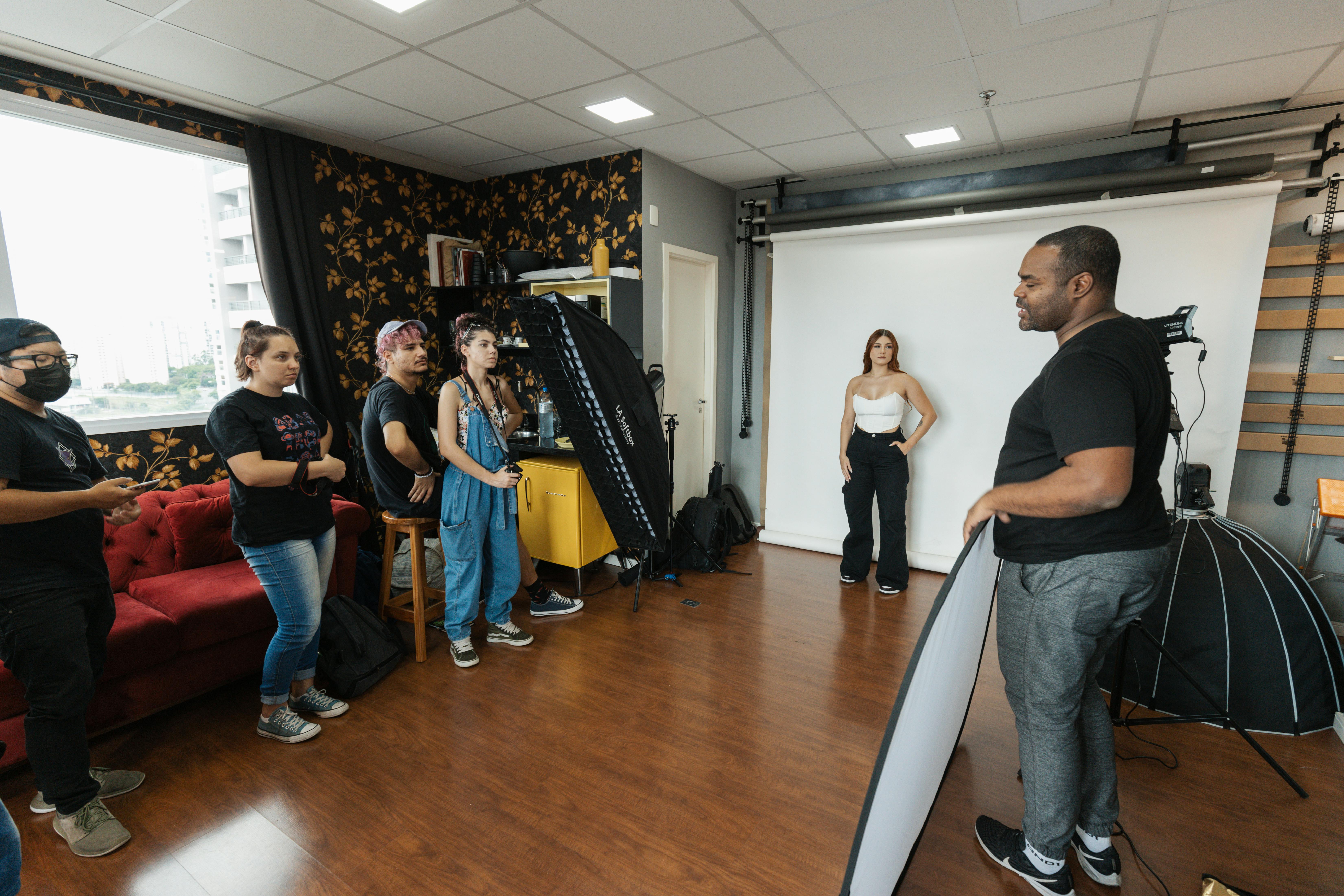
In-person workshops involve hands-on training, group sessions, and direct interaction with instructors. The location and venue play a significant role in these workshops, as they often take place in picturesque settings or studios that enhance the learning experience.
2. Pros and Cons of Online Workshops

Advantages of Online Workshops
Accessibility: Join from anywhere, removing geographical barriers.
Flexibility: Learn at your own pace and revisit materials as needed.
Cost-Effectiveness: Typically, lower costs due to reduced overhead.
Disadvantages of Online Workshops
Limited Hands-On Experience: Challenges in practical application without direct supervision. Workaround: Look for workshops that include interactive Q&A sessions or live critiques.
Distractions: Home environments can be distracting. Workaround: Create a dedicated study space and set specific times for focused learning.
Less Personal Interaction: Reduced opportunities for networking. Workaround: Join online forums or groups to connect with peers and instructors.
3. Pros and Cons of In-Person Workshops
Advantages of In-Person Workshops
Hands-On Learning: Direct practice and immediate feedback from instructors enhance the experience.
Networking Opportunities: Connect with other photographers in person, fostering valuable relationships.
Structured Environment: The focused setting minimizes distractions.
Disadvantages of In-Person Workshops
Geographical Limitations: Travel costs can be a barrier.
Time Constraints: Fixed schedules may not align with personal commitments.
Higher Costs: Tuition fees are typically higher due to venue and logistics.
4. Choosing the Right Format for Your Needs
Assessing Your Learning Style
Understanding whether you thrive in a structured classroom or prefer self-paced learning can guide your decision. Reflect on past learning experiences to identify what works best for you.
Considering Your Goals
Align your photography goals with the format that best supports them. For example, if you aim to master specific techniques, choose a course that provides focused, hands-on instruction.
Evaluating Availability and Commitment
Consider your schedule when choosing between formats. Assess how much time and effort you can commit to learning.
5. Hybrid Workshops: A Blend of Both Worlds
Overview of Hybrid Workshops
Hybrid workshops combine online and in-person elements, providing flexibility while maintaining hands-on experiences. This format allows for foundational skills to be learned online before applying them in person.
Advantages of Hybrid Workshops
Flexibility and Structure: Learn at your own pace online and then practice in a structured environment.
Broader Reach: Attract participants from various locations.
Enhanced Interaction: A dynamic learning experience that combines the best of both formats.
Disadvantages of Hybrid Workshops
Complex Coordination: Logistical challenges can arise in managing both formats.
Variable Engagement Levels: Ensuring equal participation across formats can be difficult.
6. Recommendations for Selecting Workshops
Researching Available Options
Thoroughly research workshop offerings, comparing course content, instructors, and formats before making a decision. Look for reviews and testimonials to gauge quality.
Reading Reviews and Testimonials
Seek feedback from previous participants to understand the quality and effectiveness of workshops. Both positive and negative experiences provide valuable insights.
Reaching Out to Instructors
Contact instructors with any questions about course structure and content. Establishing rapport helps ensure the workshop meets your needs.
7. Making the Most of Your Photography Course
Preparing for the Course
Prepare by reviewing relevant materials or practicing skills beforehand. Ensure you have the necessary equipment ready for hands-on sessions.
Actively Participating
Engage fully in discussions, activities, and critiques. Networking with fellow students can provide support and collaboration opportunities.
Implementing What You Learn
Practice and apply the skills and knowledge gained from the course in your photography. Ongoing practice is key to solidifying new techniques.
Conclusion
In conclusion, choosing the right photography course format is crucial for enhancing your skills and knowledge. Understanding the differences between online, in-person, and hybrid workshops allows you to select the option that best fits your learning style and goals. Investing in your education can lead to significant growth in your photography journey. Explore available workshops tailored to your needs and take the next step in elevating your craft.
If you’re a photographer looking for information on how to take your business to the next level visit https://photography.the302co.com/photographybusinesshelp-intro.
Subscribe to get notified of new content. Be the first to find out!

FAQS
What services do you offer?
We offer services to get you looking good on the web. This includes websites, Search Optimization, Branding advice, Rebranding (where necessary), targeted ads, targeted content, and automations to keep your sales up, and your calendar booking itself!
Do you offer personalized lead generation services?
Yes. Our one-of-a-kind approach combines 3 different faucets of Lead Generation, while most companies offer only one. We are adept at SEO, Ads and Content Marketing, and that is what we offer you, nicely packaged. To keep it clean, we only accept two of the same kind of business in any 25-mile radius (or within a city), so it's important to be one of the first to team with us.